
Jump to:
At Japanese Taste, we have a lot of Japanese sweet snacks to choose from, but we’ve gone the extra mile in curating the top thirty most delicious list.
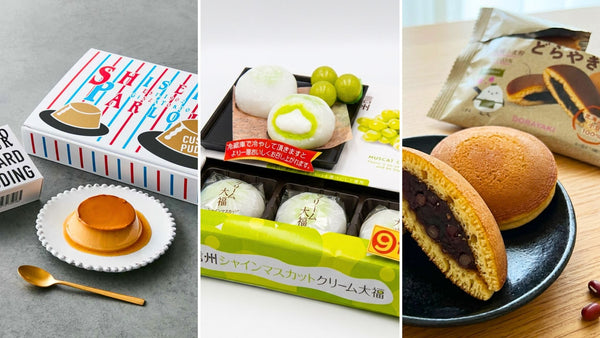
In Japanese, the word for ‘sweets’ is ‘o-kashi’. Hence, we have ‘wa-gashi’, or traditional Japanese sweets like warabi mochi, kinako dango, and dorayaki. On the other hand, ‘yo-gashi’, meaning Western-influenced sweets, can include popular desserts like parfait, purin, and melon pan.
How we decided
Learn about the history behind Japan’s most iconic sweets and desserts and how Japan has reinvented many Western dessert classics!
Our recommendations


Traditional Japanese Desserts and Sweets
1. Mochi Rice Cakes
Mochi is glutinous rice steamed and pounded into a soft, workable dough in a process called mochitsuki. From this, various sweets such as daifuku, sakura mochi, and ohagi are made. Traditionally, mochi is offered at Shinto shrines, eaten at New Year for good luck, and given as gifts at weddings and celebrations throughout the year.

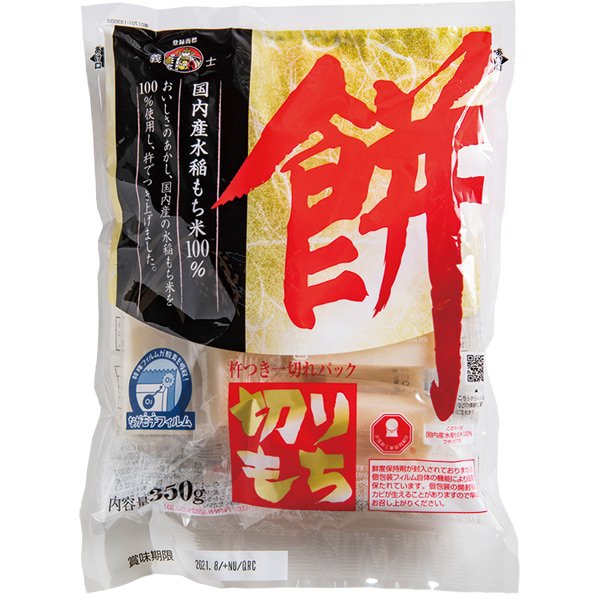
Recommendation: Kirimochi represents the most practical home-use form of mochi. Unlike fresh mochi, it is shelf-stable and designed for everyday cooking. Enjoy eating these tasty mochi cakes with kinako (roasted soy bean powder) or with sweet azuki red bean paste.
Pros
Cons
2. Daifuku — Stuffed Mochi Sweets
Daifuku means ‘great luck’, but the original meaning hints at ‘large belly’. Edo-period street vendors sold them as good-luck charms. These pouch-sized mochi hide delightful surprises. The ‘ichigo daifuku’, which features a whole strawberry nestled in sweet red bean paste, only appeared in the 1980s. Today's fillings range from matcha and citrus to cream and roasted chestnut.

Recommendation: These ‘daifuku mochi’ feature a double-layered filling of soft whipped cream wrapped in white bean paste, and infused with Shine Muscat grape juice. These premium seedless white grapes create a delicate floral sweetness. The result is three distinct flavors and textures in one bite. Best enjoyed chilled straight from the refrigerator.
Pros
Cons
3. Dorayaki — Pancake Sandwiches
Dorayaki are two fluffy flap-jacks hugging a sweet filling, typically anko red bean paste. ‘Dora’ means ‘gong’ and legend says the monk Benkei left his at a farmhouse, where it became a griddle. The modern version was standardized in 1914 at Usagiya, a shop in Tokyo's Ueno district. Dorayaki is also the favorite snack of Doraemon, Japan's beloved robot cat.

Recommendation: North Colors Organic Dorayaki sources ingredients free from pesticides or chemical fertilizers. This includes the wheat for the batter and the 100% Hokkaido azuki beans for the filling. These high-quality dorayaki are hearty, naturally sweet, and perfectly suited as a thoughtful gift for special occasions.
Pros
Cons
4. Taiyaki — Japanese Fish-Shaped Street Food
Taiyaki means ‘baked sea bream’. The sea bream or red snapper is a symbol of luck and prosperity, often served at celebrations, and the God Ebisu carries one of these fish under his arm. Taiyaki sweet meats are something between a crispy waffle and fluffy pancake. Vendors pump custard or red bean paste into hinged fish-shaped molds before baking. The original taiyaki was created in 1909 at Tokyo's Naniwaya Shouten, still open today.

Recommendation: Lemon Taiyaki swaps the usual red bean filling for white bean paste blended with real Setouchi lemon peel and a pinch of Hakata salt to sharpen the lemon aroma . The castella-style batter also adds a honey note.

Pros
Cons
5. Anmitsu — Mixed Traditional Dessert
Anmitsu is a bowl of delightful contrasts such as cubed agar jelly, soft mochi, sweet red bean paste, seasonal fruit, and a dark drizzle of kuromitsu black sugar syrup. It evolved from a simple agar and syrup dish in Meiji-era Tokyo. Traditional wagashi sweet shops and old-style kissaten coffee shops almost always have it on the menu.

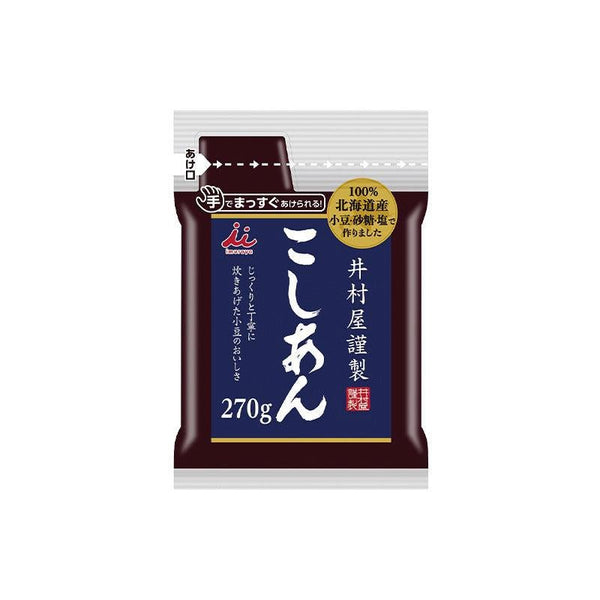
You’re more than welcome to make your own anmitsu at home. There are no hard and fast rules about the ingredients to use, but azuki red bean paste, such as Imuraya Smooth Azuki Red Bean Paste is a core staple for most desserts.
Pros
Cons
6. Kakigori — Summer Shaved Ice Dessert
Kakigori is shaved ice done Japanese style: delicate, feathery ribbons with the texture of freshly fallen snow. It dates to the Heian period, when ice was stored in mountain icehouses called himuro before reaching the imperial court.

You can make kakigori at home using kakigori syrup available in different flavors, such as kakigori strawberry fruit syrup. You can also make fluffy café-level shaved ice at home by using a machine. Swan Conee Kakigori Shaved Ice Machine uses an ultra-sharp stainless steel blade to shave ice into light, snow-soft kakigori, making it noticeably fluffier than a standard snow cone.

Pros
Cons
7. Warabi Mochi — Gelatin-Like Dessert
Warabi mochi are translucent, jelly-like cubes served chilled and dusted with kinako or matcha powder. Unlike regular mochi, they're made from warabiko starch extracted from bracken fern roots. ‘Pure’ warabi mochi requires 10kg of roots to yield just 70g of starch, so cheaper versions blend in tapioca or sweet potato starch.

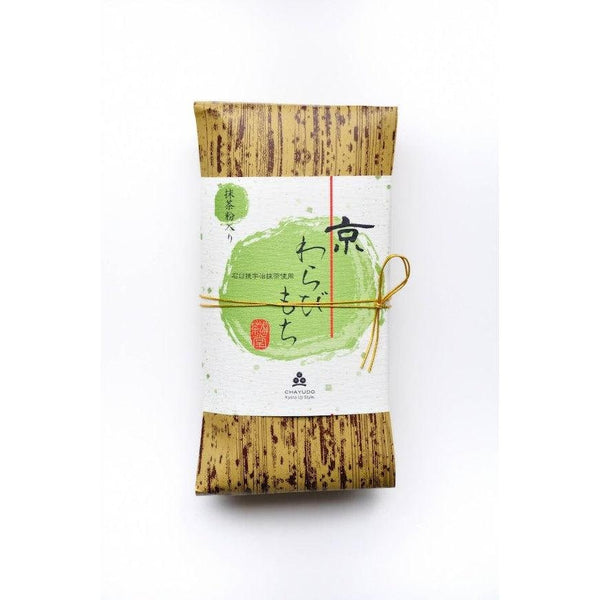
Included in this warabi mochi set is a slab of Uji matcha-flavored warabi mochi with a kinako matcha powder. Simply cut into pieces, sprinkle the powder on top, and enjoy chilled if preferred (chill before adding powder).
Pros
Cons
8. Yokan — Firm Red Bean Jelly Desserts
Yokan originates from a Chinese sheep broth soup, brought to Japan by Buddhist monks in the Kamakura period. Since the monks didn't eat meat, they replaced the meat with azuki bean paste. During the Edo period, agar-agar (kanten) was incorporated into the paste. Great tea masters have declared yokan the ideal companion for the tea ceremony.

Kiyosen Yokan set captures the essence of Kyoto in three flavors: Uji matcha (3 pieces), ogura red bean (1 piece), and chestnut (1 piece). Moderately sweet and authentically crafted, each piece pairs beautifully with green tea. Yokan is also a long-lasting, ready-to-eat emergency food that gives quick energy and is easy to store.

Pros
Cons
9. Shiruko — Warm Sweet Bean Soup Desserts
Shiruko is a smooth, strained red bean soup with no whole beans (koshian). It's best served hot with soft mochi or shiratama dumplings. In Kansai, people prefer a more chunky version using whole beans called zenzai. Because of their deep red color, people believe red beans possess the power to ward off evil spirits and protect against illness. Shiruko is popular during New Year celebrations.

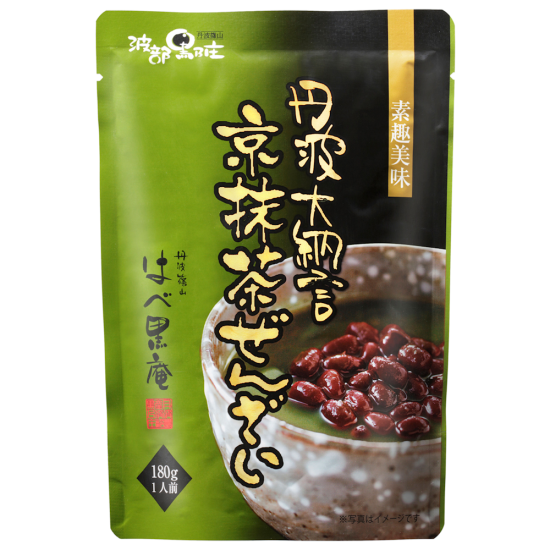
Kikuya Uji Matcha Zenzai pairs rare Tamba Dainagon azuki beans, prized for their exceptional sweetness and glossy appearance, with Uji matcha from Kyoto. Serve cold or warmed, topped with mochi or ice cream. A genuinely special take on a classic Japanese sweet soup. Alternatively, you can make your own zenzai at home.
Pros
Cons
10. Ohagi — Rice and Red Bean Sweets
Ohagi are glutinous rice balls coated in anko, kinako, or sesame paste that appear at both the spring and autumn equinoxes. In spring, they're called ‘botamochi’ after the botan peony that blooms at the same time. In autumn, ‘ohagi’ refers to bush clover.
 Ohagi are quaint, traditional Japanese staples, and making ohagi at home is easy enough. You can use this organic kinako to make ohagi.

Pros
Cons
11. Kinako Dango — Soybean Powder Sweets
Dango are skewered rice flour dumplings which are denser and chewier than typical mochi. These are coated in roasted soybean powder or kinako which was used as a sweetener long before sugar became accessible in the Edo period.

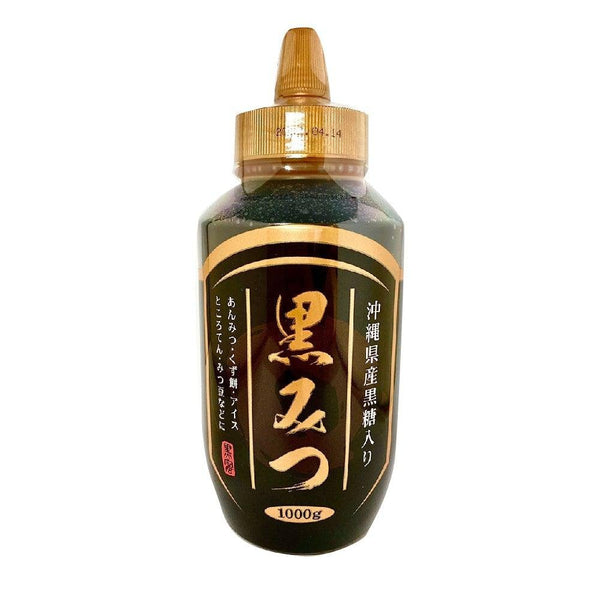
A thin layer of kuromitsu or black sugar syrup over the dango adds an earthy molasses depth to the flavor.
Pros
Cons
12. Monaka — Crispy Wafer Desserts
Monaka originated in the mid-Edo period as a simple toasted rice cracker. The introduction of precise molding in the Meiji era evolved Monaka from plain circles into intricate shapes like cherry blossoms, lanterns, and even modern-day mascots. Traditionally, it consists of two thin, crisp shells made from mochi flour that are baked until they have a delicate, airy crunch.

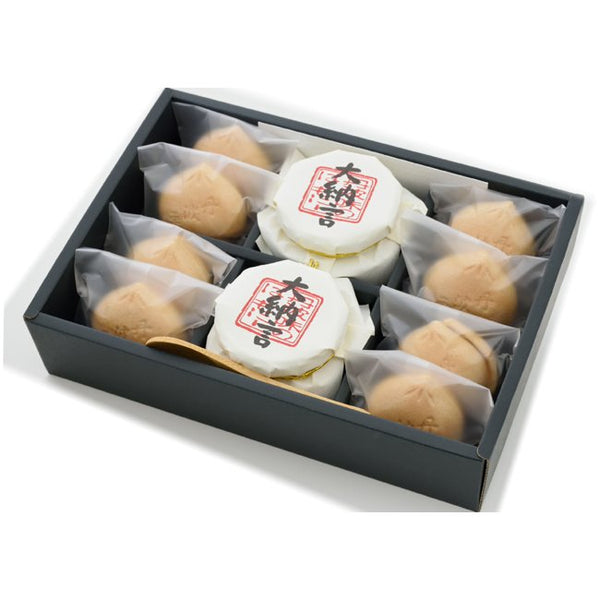
This ‘DIY Monaka,’ Chestnut & Azuki Red Bean Monaka, allows you to assemble traditional monaka wagashi at home. By keeping the crisp, toasted rice wafers separate from the sweet azuki bean paste and whole chestnuts, the snack maintains a fresh, shatter-crisp texture that pre-packaged versions often lose.
Pros
Cons
13. Sakura Mochi — Seasonal Spring Dessert
Sakura Mochi or Cherry Blossom Rice Cakes emerged during the Edo period. The Kansai version is called Domyoji-ko since it uses methods of Buddhist monks at Domyoji Temple. Domyoji-ko uses dried and crushed glutinous rice steamed until tender yet pebbly. It’s wrapped around a core of sweet red bean paste, and finished with a salt-pickled cherry leaf.

To make your own sakura mochi at home, you will need a good quality azuki red bean paste, such as Imuraya Tsubuan Chunky Azuki Paste. It is a tasty, chunky bean paste made from Hokkaido-grown beans. It’s lightly flavored with salt and sugar.
Pros
Cons
14. Tokoroten — Refreshing Seaweed Jelly Desserts
Tokoroten is one of Japan's oldest documented foods with records tracing it to the Nara period (710–794). It's made by boiling tengusa seaweed, setting the liquid, then pressing it through a wooden tool called a tokoroten-tsuki into thin, noodle-like strands.

The Kanto area serves it as a savory with vinegar and karashi mustard while in Kansai it’s a sweet dessert with kuromitsu syrup.
15. Kusa Mochi — Herbal Mochi Sweets
‘Kusa’ means herb or grass. Traditional kusa mochi gets its vivid green color from yomogi, or Japanese mugwort, kneaded directly into the rice dough. The result is earthy, aromatic, and distinctly different from other mochi.

Yomogi has been used in Japanese folk medicine for over 1,000 years, valued for its warming and restorative properties. Some regions use sasa or bamboo grass for a regional twist.
Modern Japanese Desserts
16. Japanese Cheesecake
Japanese cheesecake is lighter, airier, and not as sweet as its Western counterpart. From specialist bakeries to convenience stores across Japan, it’s a treat you can’t miss. It all started in 1969 when confectioner Tomotaro Kuzuno fused German technique with American cream cheese to create the Japanese soufflé cheesecake.

Itohkyuemon's matcha expertise shines through with their matcha cheesecake. It fuses the umami bitterness of stone-milled Uji matcha with the mild sourness of Australian cream.

Pros
Cons
17. Castella Cake
Castella is one of Japan's most beloved imported traditions. Brought to Nagasaki by Portuguese missionaries in the 16th century, it was refined and made distinctly Japanese over the centuries. Yubari melons, meanwhile, are Hokkaido's most celebrated fruit.

Shinori Hokkaido earns its credentials by combining both: a traditional castella batter enriched with real Yubari melon juice. It also uses Hokkaido dairy butter, producing a moist, lightly fragrant sponge with a distinctive orange hue and genuine melon depth.

Pros
Cons
18. Japanese Korone — Corone Bread
Korone are European-influenced pastries, but adapted to Japanese tastes, with a softer bread and are slightly sweeter. The signature spiral cone shape is achieved by wrapping enriched bread dough around a conical mold before baking, creating a hollow shell perfectly designed to hold creamy fillings.
 Try making korone at home! Check out our korone recipe.
19. Japanese Parfait — Layered Cream Desserts
Parfait arrived in Japan during the Taisho era (1912–1926) as Western culture swept through places like Tokyo's Ginza. Japanese chefs made it their own, adding castella cake, seasonal fruit, and Pocky for that iconic flair. You can make Japanese parfait at home in under 20 minutes.

Our classic strawberry parfait recipe layers juicy strawberries, creamy yogurt or whipped cream, soft cake, and crunchy granola, topped with Pocky sticks for a fun garnish!
20. Melon Pan — Sweet Japanese Bread Desserts
Making Melon Pan at home is easier than it looks and the story behind it is worth knowing. An Armenian baker at Tokyo's Imperial Hotel is credited with creating it around 1910, blending French galette techniques with soft Russian bread.

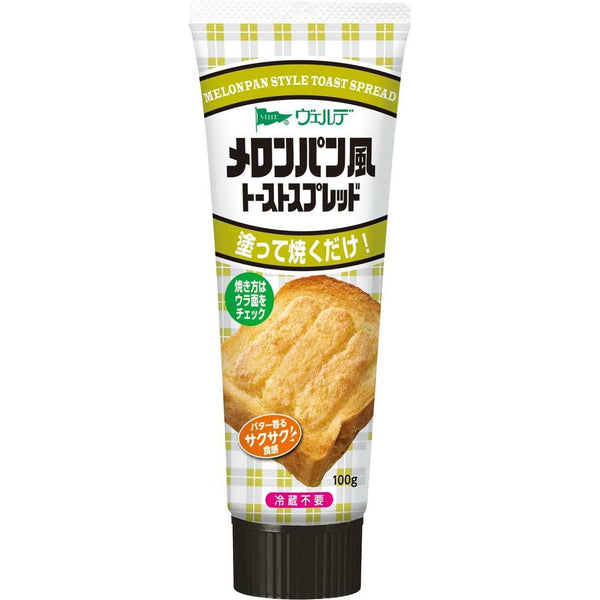
The name comes not from melon flavour but from the cross-hatched cookie crust, which resembles the rind of a prized Japanese musk melon. Crisp outside, cloud-soft inside, Melon Pan is a true iconic Japanese sweet bread. You can enjoy instant café-style melon pan at home with this creamy melon pan spread!
Pros
Cons
21. Red Bean Ice Cream
Red bean ice cream is one of the most rewarding ways to make Japanese desserts at home. Azuki beans have been a cornerstone of Japanese sweets for centuries and their earthy, gently nutty sweetness translates beautifully into homemade red bean ice cream.

It adds a traditional Japanese twist to what others would perceive as a ‘modern ice cream flavor’. Another popular Japanese ice-cream favorite is mochi ice cream.
22. Japanese Shokupan Honey Toast
Making Japanese honey toast at home is one of the most satisfying cafe desserts you can pull off in under 15 minutes. Known as hanito, it was originally created by a Japanese karaoke and entertainment chain before going viral nationwide. The key is thick-cut shokupan, whose fluffy interior contrasts beautifully with the golden, crispy crust once toasted.

Butter, honey, and a scoop of cold ice cream on top will do the rest. Other garnishing options are red beans with matcha ice cream.

Pros
Cons
23. Mont Blanc — Chestnut Dessert
In 1933, confectioner Chimao Sakota tasted the original dessert in Paris and brought the recipe back to Japan. He swapped the firm meringue base for soft castella sponge, and replaced European chestnut purée with bright yellow candied chestnuts.

As a result, the Japanese Mont Blanc version is lighter and not as rich, offering a more balanced sweetness suited to local tastes. Although the recipe can be time-consuming, our simplified recipe uses ready-made sponge cake and pre-cooked chestnuts.
24. Mille Crepe — Sweet Filled Dessert Cones
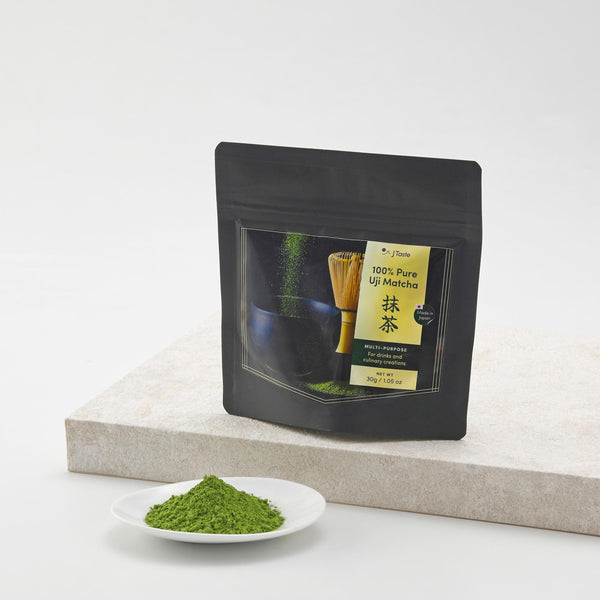
The mille crepe is a more modern invention than its name suggests. The cake originated in the 1980s in a Tokyo pastry shop, inspired by the French gâteau de crêpes. Japan's deep love of matcha made the green tea version a natural evolution, adding earthy bitterness to balance the sweetness of the cream.

Rather than plain sugar, our matcha mille crepe recipe uses sweetened condensed milk in the whipped cream, which gives it a richer texture that complements the matcha's bitterness perfectly.
Pros
Cons
25. Purin — Japanese Custard Pudding
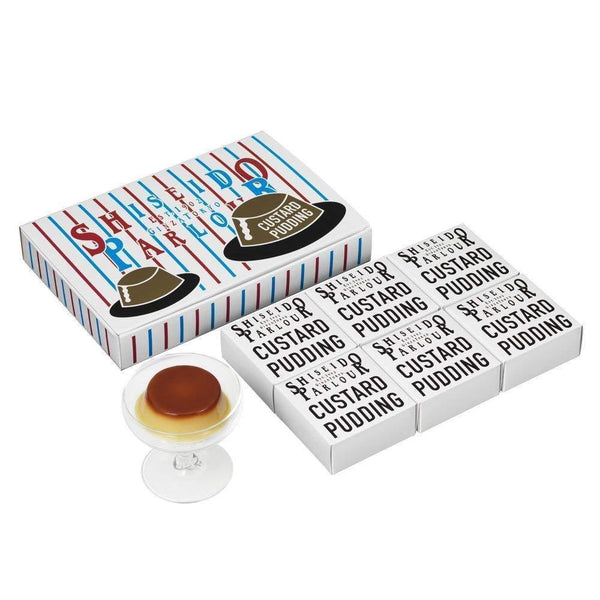
Purin roots trace back to the Meiji Era and became a national obsession during the postwar economic boom. The Japanese version is firmer and silkier, and this simple purin recipe focuses on the traditional steamed method. Steaming ensures a dense and wobble-perfect consistency.

The simple ratio of whole eggs and milk yields a deep, nostalgic egg flavor contrasted by a dark, bittersweet caramel topping.
Pros
Cons
26. Daigaku Imo — Candied Sweet Potatoes
Daigaku Imo, or ‘university potatoes,’ are prepared by cutting Japanese sweet potatoes into bite-sized chunks and frying in oil until a golden-brown crust develops. The inside should remain soft and starchy. Once cooked, the potatoes are tossed in a thick, simmering glaze made from sugar, soy sauce, and honey or mirin.

The name supposedly originates during the early Showa era from a vendor who sold his creation as a late-night snack to Tokyo Daigaku students.
27. Japanese Fluffy Pancakes — Soft Breakfast Desserts
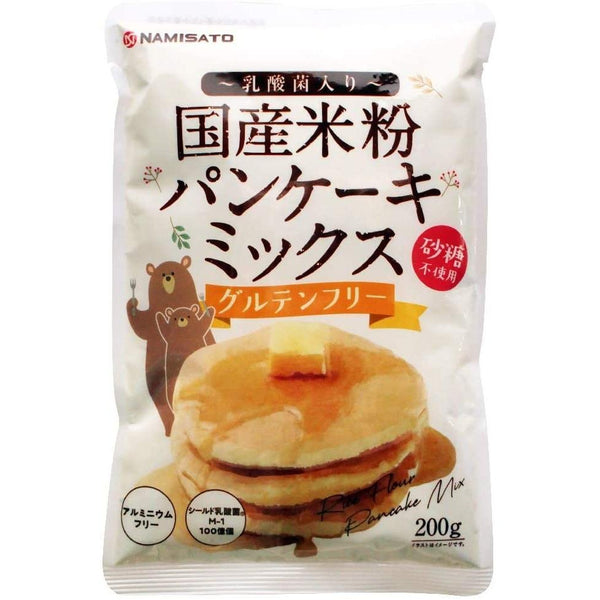
While pancakes have been enjoyed in Japan since the early Showa era as ‘hotcakes’, the ultra-fluffy soufflé variety rose to fame during the 2010s. This ‘fuwa fuwa’ or fluffy texture became popular as a luxury dessert in cafes in Osaka and Tokyo. A simple Japanese pancake recipe technique is to aerate the meringue to its peak before gently folding it into a yolk base.

You then steam the pancake on a griddle rather than frying, which allows the height to stabilize without collapsing.
Pros
Cons
28. Ichigo Daifuku — Fruit-Filled Mochi
A modern twist on the traditional wagashi, you can make Ichigo daifuku at home became popular in Tokyo during the mid-1980s. Instead of relying on overly sweet store-bought versions, you can make this fresh Japanese treat at home. The chewy, elastic mochi contrasts beautifully with the tart, juicy strawberry center.

To achieve the proper texture, the glutinous rice flour is steamed or microwaved into a translucent dough that is stretched over a strawberry encased in smooth red bean or white bean paste.

Pros
Cons
29. Kohi Zeri — Coffee Jelly
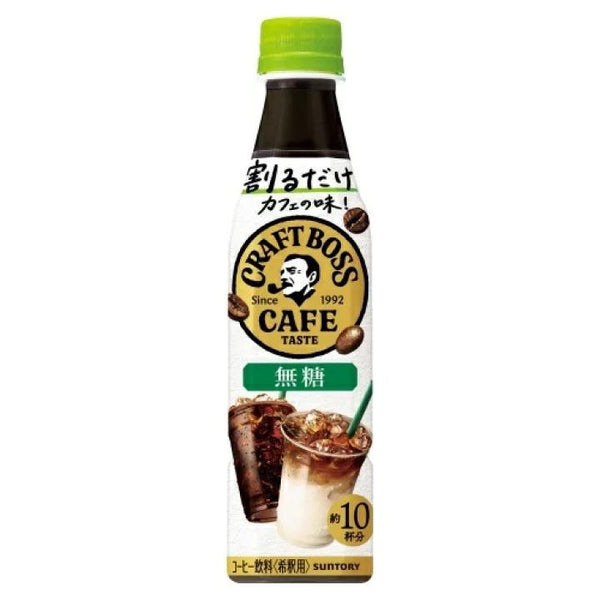
Gelatin arrived in Japan during the Meiji Era, while coffee jelly became a cultural staple during the Taisho Era (1912–1926) when Western-style Kissaten started to flourish. It represents the early 20th-century modernization of the Japanese palate.

The drink consists of sweetened black coffee set with agar or gelatin, cut into cubes or set in a glass, and topped with a splash of heavy cream or a scoop of vanilla ice cream. Kohi Zeri is relatively easy to make at home, and you can include it in various types of chilled beverages.
Pros
Cons
30. Fruit Sando — Japanese Fruit Sandwich
Fruit sando evolved alongside the rise of "fruit parlors" in the early 20th century, although it only became a modern hit around 2010 via social media. The dessert features thick slices of shokupan (milk bread) with the crusts removed, filled with lightly sweetened whipped cream and precisely placed fruit.

When sliced diagonally, the fruit creates a flower or geometric pattern requiring a degree of artisanal skill. You can buy a fruit sando from most convenience stores or make a fruit sando at home!
What's Your Favorite Japanese Dessert?
Japanese sweet snacks are loved around the world for their quality, novelty, and creative expertise. Traditional ‘wagashi’ are derived from techniques mastered and passed down over millennia.
The same ethos is applied to Western sweets and desserts, often producing a superior product in terms of taste, texture and subtle flavoring that doesn’t rely on the overuse of sugar.
We love classics like daifuku mochi and taiyaki with new and innovative flavors. Modern desserts like korone and fruit sando are also top of the list. Let us know which ones you love the most and which Japanese desserts you have tried to make at home!